![]() |
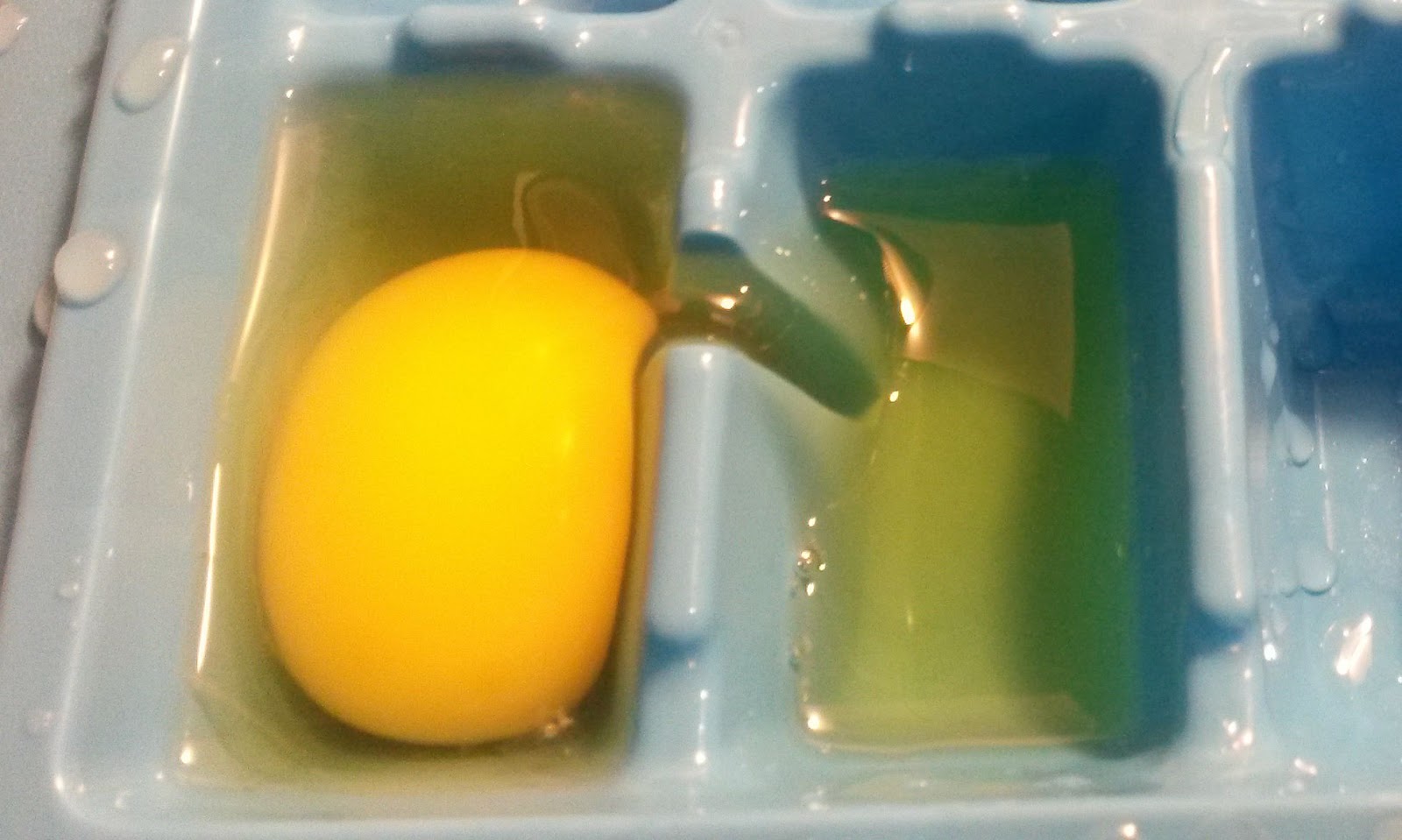
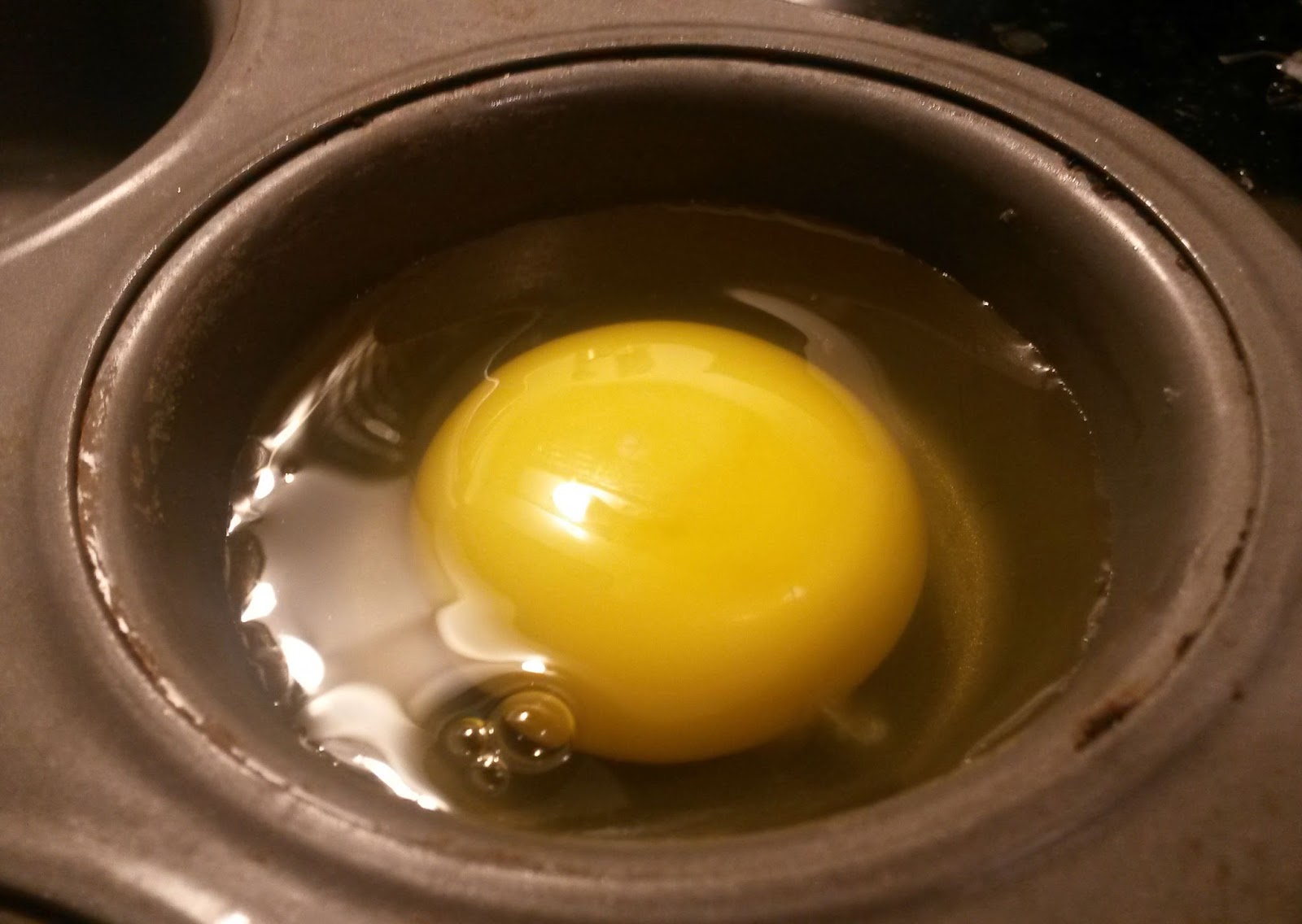
| I just want to eat him. That’s normal, right? |
![]() |
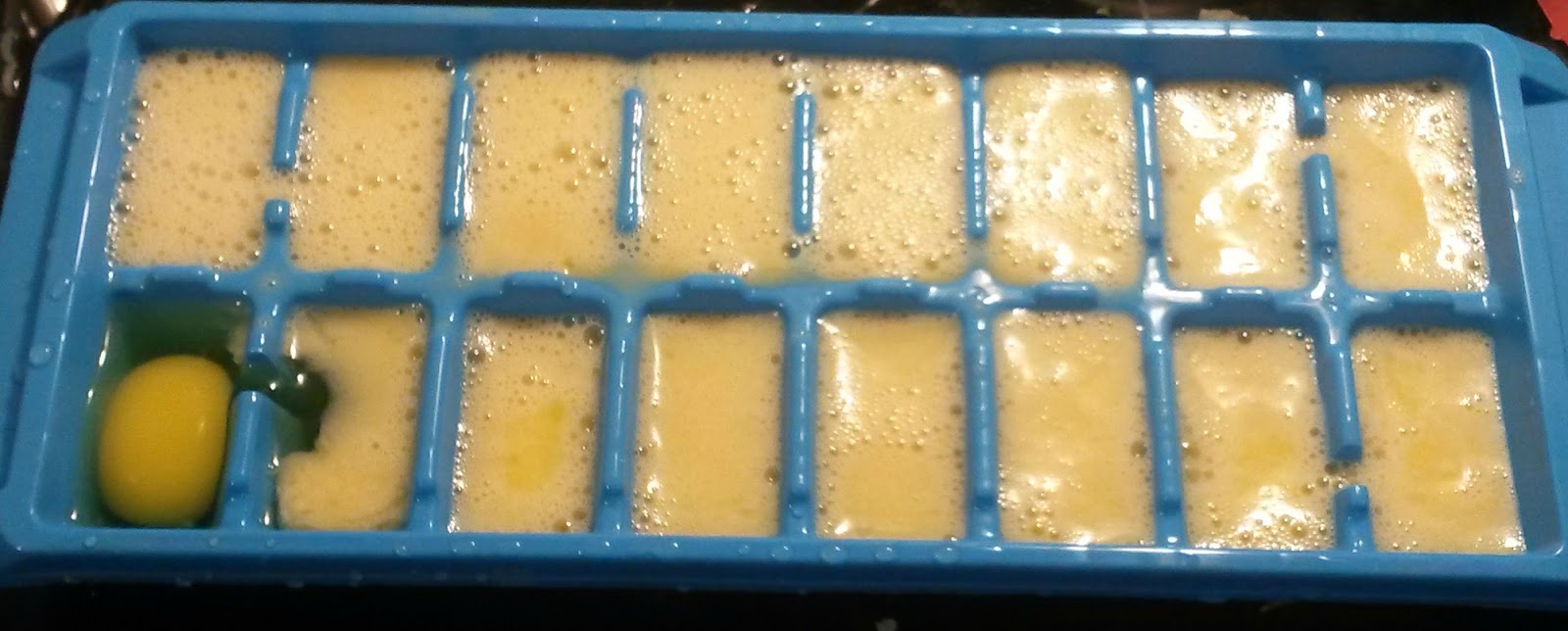
| 16 egg cubes = 8 large chicken eggs |
![]() |
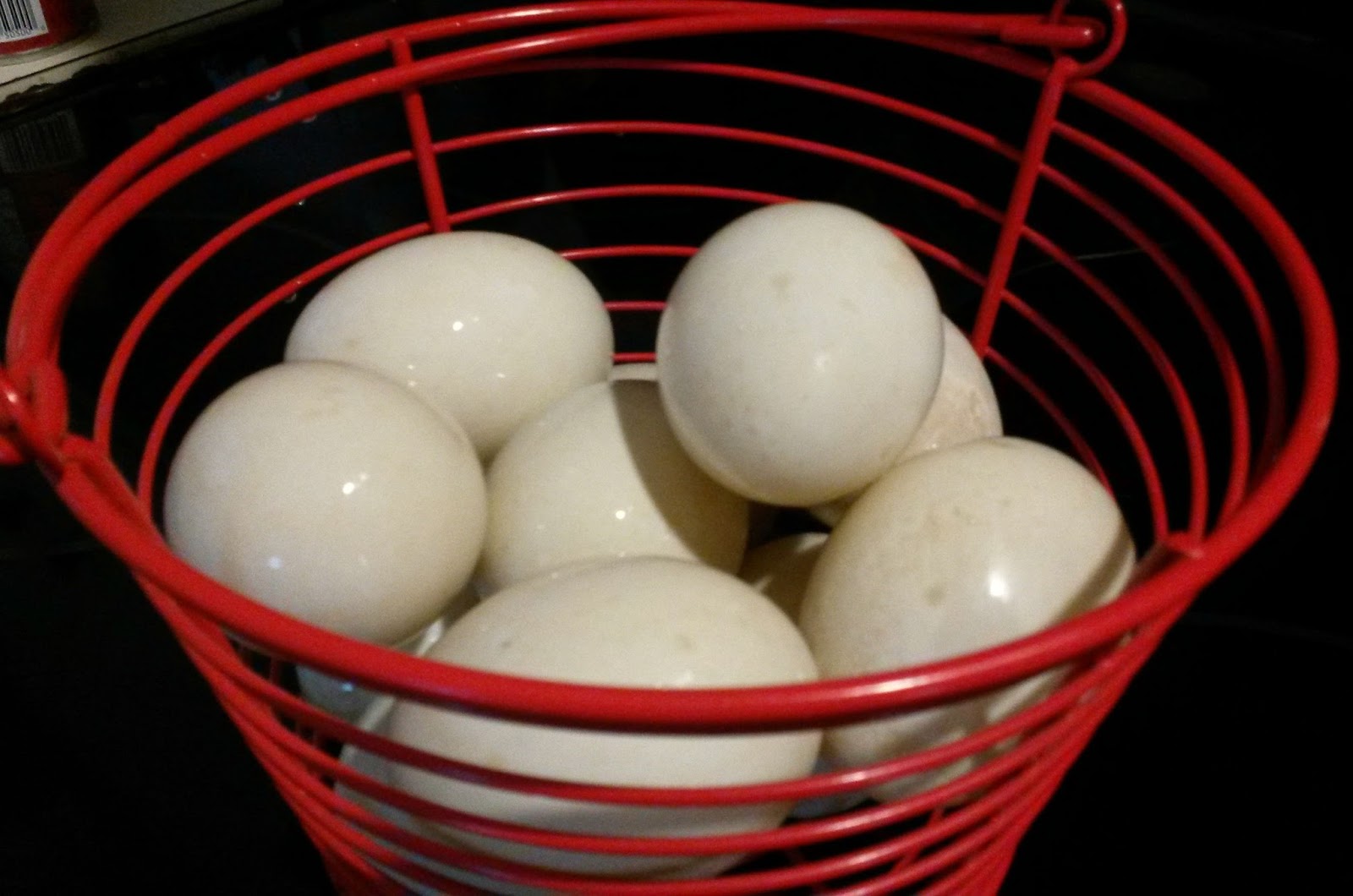
| Why does Charlotte the duck lay so many eggs? |
![]() |
| I just want to eat him. That’s normal, right? |
![]() |
| 16 egg cubes = 8 large chicken eggs |
![]() |
| Why does Charlotte the duck lay so many eggs? |
Fact: I love chocolate milk as much as my 3 year old does. (Although sometimes I combine it with my other love… coffee.)
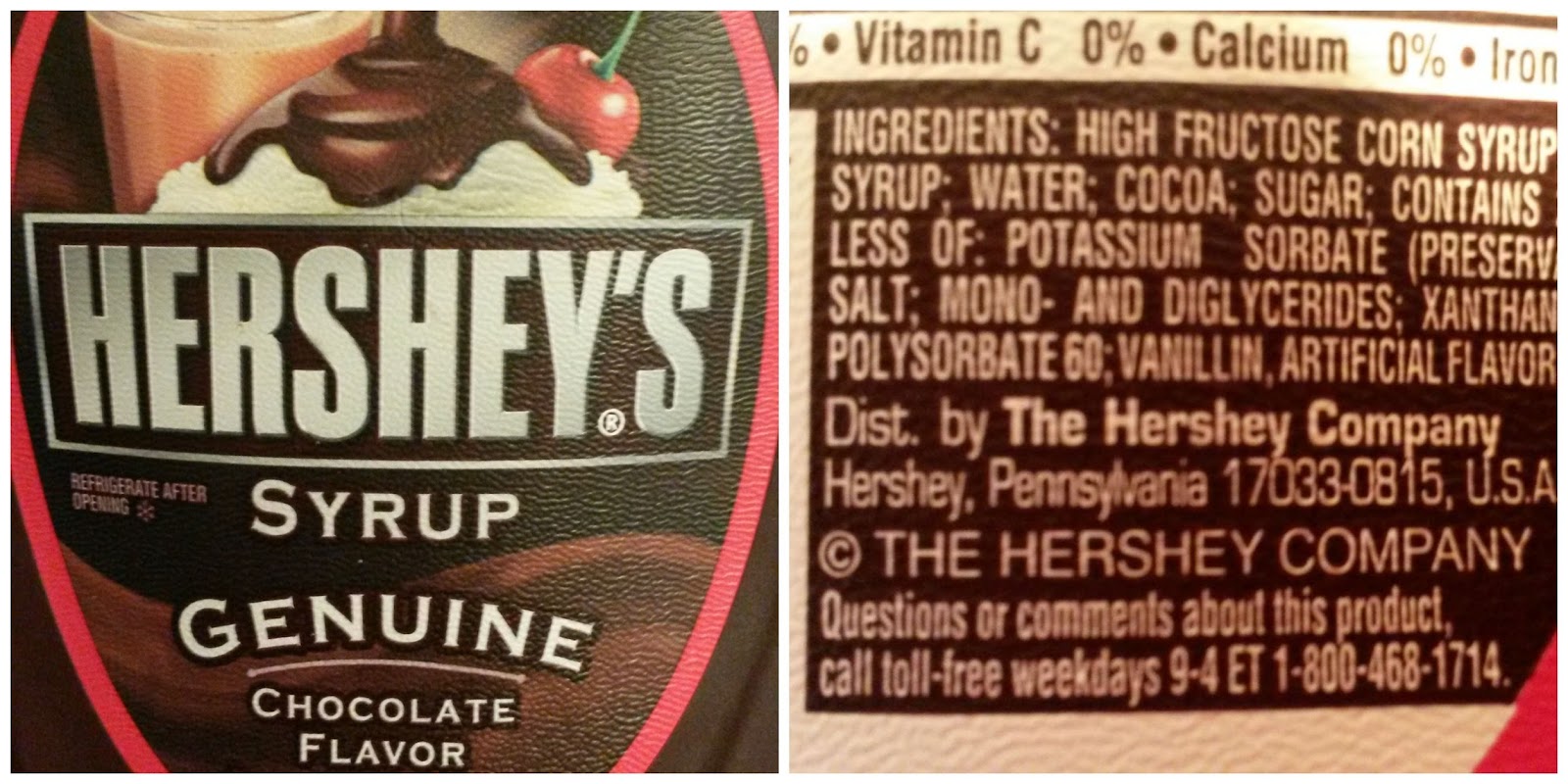
Fact: Hershey’s Chocolate Syrup’s number one ingredient is high fructose corn syrup.
![]() |
| Oh hello there familiar but unhealthy syrup… |
Now why would I take my lovely, pastured, organic milk and fill it with corn syrup? I shouldn’t.
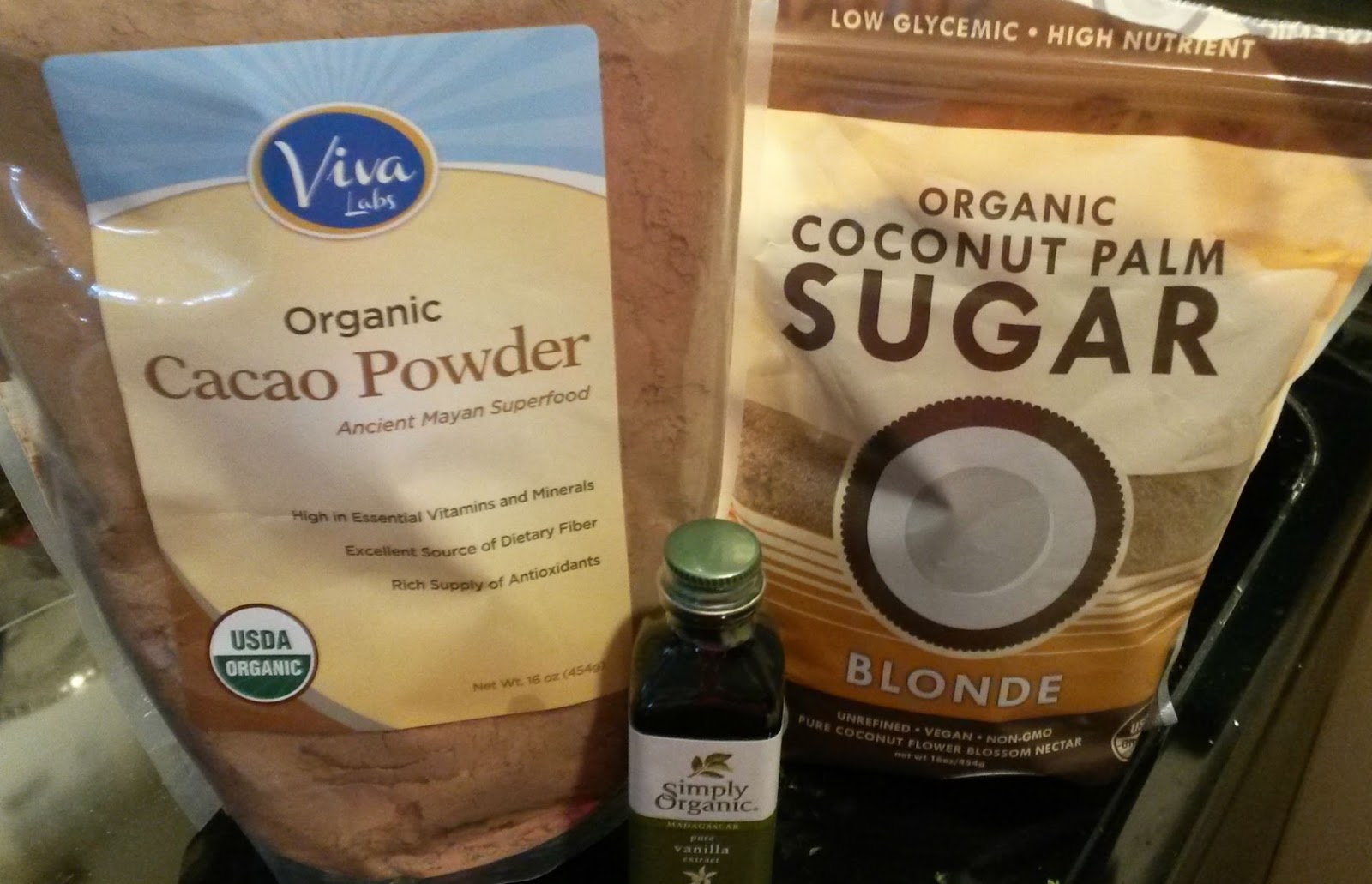
Fact: During the shopping fever of Amazon’s Prime Day, I bought one thing: cocoa powder.
This syrup recipe is really quick (unless you are juggling two children and trying to make it, take pictures, and blog at the same time. I’ve inserted my additional steps below just for fun).
I have tried some variations over the years, but this one from Wholesome Mommy made with coconut palm sugar is my favorite.
You will need
1 1/2 cup coconut palm sugar
3/4 cup cocoa powder
1 cup water
1 tsp vanilla
Pinch of salt
Step 1: In a sauce pan, combine all ingredients and stir with whisk.
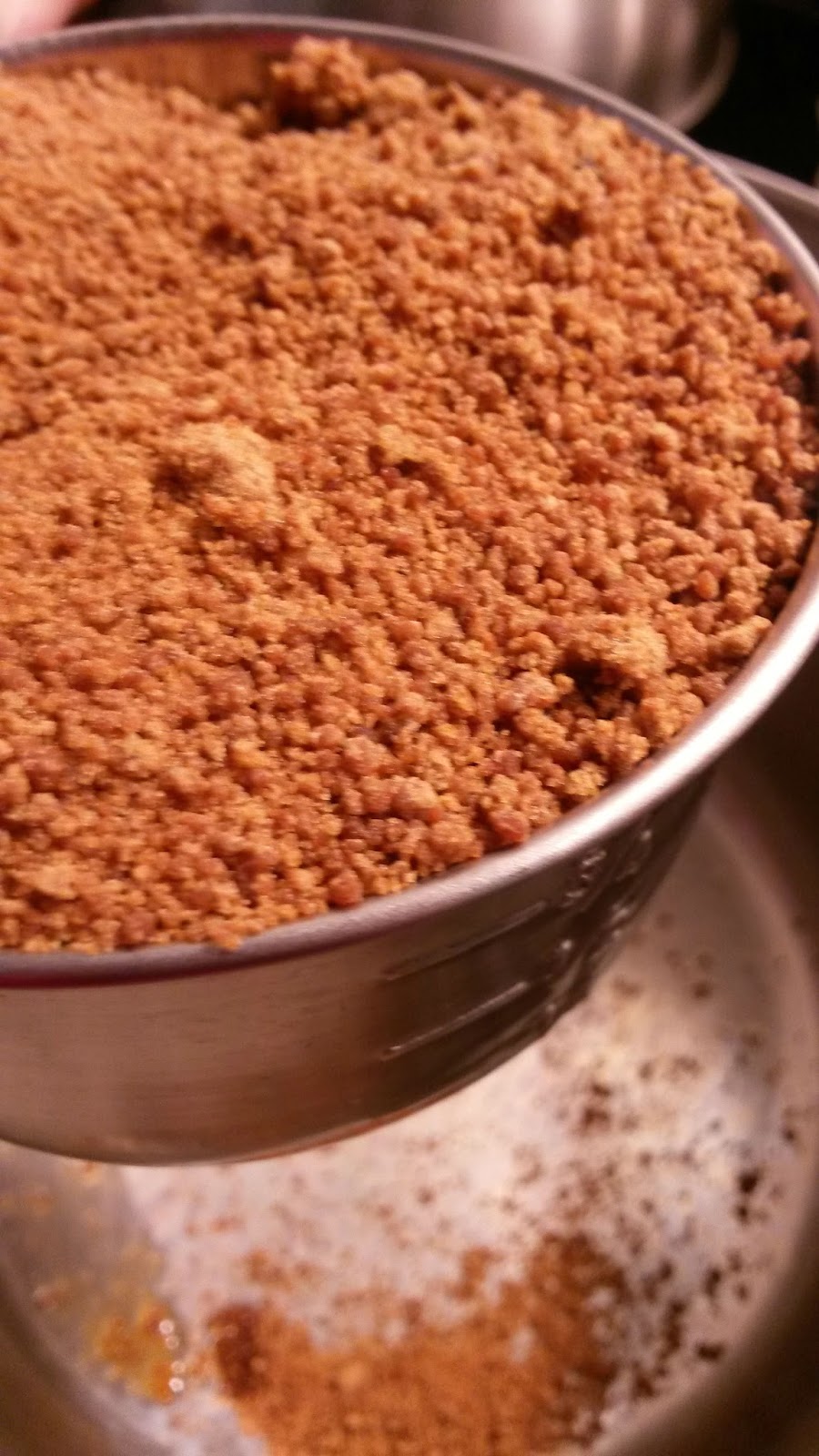
Mommy step – take picture of how pretty coconut palm sugar is. Take a break to nurse a baby.
![]() |
| Coconut palm sugar. I love the deep color. It’s beautiful. |
Step 2: Bring ingredients up to boil (on medium high, not high) heat. Stir occasionally.
Mommy step – change two successive diapers, forget how long it has been since it was stirred, almost burn the syrup.
Step 3: Once it is boiling, let boil for one minute.
Mommy step – go to figure out why your 3 year old is telling your 3 month old “here – take this. I think this toy is good for you…”
Step 4: Remove from heat and allow to cool.
Step 5: Mix with milk to taste for a delicious glass of chocolate milk.
Mommy step – forget to take a picture of the full glass of milk that you so carefully mixed in one of your husband’s pretty whiskey tumblers. Sit down to watch “So you think you can dance”, drink the milk, and blog while the toddler naps and the baby plays happily. A rare moment of peace! Realize mistake and snap quick picture of half finished glass with cell phone.
Try it… it should take 10 minutes max for normal people. I swear you won’t miss that old Hershey’s nonsense.
![]() |
| If you can look past the dishes, you will notice what a pretty new sink and faucet we recently installed. |
Don’t you feel special seeing my nasty sink full of dishes I was too in a hurry to properly rinse?
![]() |
| Anybody know that kind of flower this is? It grows along our back fence in white and purple. They are so dainty and lovely. |
But since the subject has come up, could I just grow a few more inches in height, lose a couple inches off my post-partum waist line, and wake up with fiery, red hair? No? Dag nabit.
Why don’t I own those things?
Reason #1: Because the price tag on those bad boys hurts my cheapskate soul.
But then I did the math. If those appliances cut down on the sometimes daunting task of cooking and save us from getting a few rounds of take out, they will pay for themselves and save us money in the long run.
Reason #2: I assumed I didn’t take that much more time making things without having these appliances.
But when I really stopped to think about it, the assumption didn’t hold up for long…
I already cut the blending step of the cooking process for butternut squash soup down by about 30 minutes by simply buying an immersion blender (okay… my husband bought it for me, because I am cheap and me making a stock pot of soup and then blending it 2 cups at a time in a food processor was getting laughable).
Reason #3 Because, up until recently, I didn’t have the space in my cupboards for such conveniences
Over the next few months, I am going to try to eat out less and take that money to buy nicer appliances.
If you see my facebook posts about my lovely new appliances, don’t think: that girl must have some serious extra moolah to burn. Because I don’t. This is just my attempt to save money in the long run and not have a nervous breakdown.
Once my kitchen is stocked, I can take the savings and put it where it should go… into investments, paying down those pesky student loans, and building up other income streams.
Wish me luck!
When it comes to improving your diet, leading a more eco-friendly life, and supporting sustainable farming practices, eating organic is not inherently better.
You might feel like tarring and feathering me for saying that, but please hear me out.
The more I learn about organic farming practices, the more I find that USDA Certified Organic does not mean what many people think it means. I have also found that it is not necessary to double your grocery bill with only organic products to reduce your consumption of pesticide residue overall and to support more sustainable farming.
In my quest to lead a more healthy lifestyle, I have plummeted into a few common pitfalls. I’m sharing what I have found in hopes it helps you on your journey and you can skip some of the pitfalls I have fallen into.
Learning is a process, folks, so expect me to form an opinion, to learn more, and then to change my mind.
Use the Environmental Working Group’s Dirty Dozen and Clean 15 lists with caution and context.
When it comes to moving towards getting the chemicals/pesticides our of your diet, the Environmental Working Group has created the popular dirty dozen and clean 15 lists that look at fruits and vegetables with the highest and lowest pesticide load to support this effort.
Most people (myself formerly included) look at the list and immediately assume that buying organic is the way to get pesticides out of their diet in these foods, right? Wrong.
I’m always a little surprised by how many folks don’t realize that organic farmers use pesticides too. They use some synthetic pesticides in restricted amounts and some natural pesticides, but just because something is natural does not inherently make it better for consumption.
Check out this list of pesticides approved for use in organic farming straight from the US Government Publishing Office. (Yay for primary sources!).
While I think that EWG’s intentions are good, their methodology leaves much to be desired: EWG’s lists are not considering the environmental impact of the pesticides or the level of toxicity of each pesticide when consumed.
Sure some fruit may have residue from a particular pesticide, but it may be one that isn’t as toxic as another pesticide found in smaller amounts in a different kind of produce. The way the list is constructed, the smaller amount of the more toxic pesticide still puts the produce in question lower down/off the dirty list and the produce with the greater, but less toxic, pesticide further up on the dirty list. It should be more nuanced than that.
Plus, there is no consideration given to what the chemical does to bees and birds and other wildlife. Organic farmers can use copper sulfate, for example, which can be highly toxic to fish and moderately toxic to birds (the bees seem okay though, so yay for that!). Check out the facts on copper sulfate here
One of the simplest ways to not kill your budget with organic produce, but still get high quality product is to buy in bulk and buy direct from the farmer when fruits/veggies are in season.
A grower will know if what they are selling would pack and go to market as certified organic. They know what they sprayed with and what kind of pest management system they are using. All you have to do is ask and they will tell you. When you buy in bulk, you can preserve the fruit yourself for consumption during the rest of the year (thus also skipping less-healthy preservation options).
By asking questions and buying local and direct, you have done the earth a favor. You skipped cross-country or even international shipping. Bulk fruit purchased directly is rarely packaged in small bags or plastic clams. Also, home canning jars are used year over year instead of heading to the trash or recycle bin. The money went directly to the farmer, which is great for them. It’s a winning situation all around.
Don’t know where to find the farmers? Start on craigslist and try local farmers markets. Once you establish a relationship, you can go back to the same sources over and over for great product. I have an apricot and cherry guy, a blackberry guy, a raspberry lady etc. A few quick phone calls and I can be swimming in high-quality, sustainably farmed produce.
Familiarize yourself with the farming practices of your family’s favorite kinds of produce.
Every family has their favorites. We eat lots of apples, peaches, and blueberries. I know more about production of these fruits than say, plums, which we don’t really eat that often. Apples appear on top of the dirty dozen list, but many non-organic producers use great, sustainable pest management systems to avoid needing to use so many/large amounts of pesticides.
Are they certified organic? No.
Are they responsible and doing good things to not pollute the environment and disrupt the surrounding ecosystem? Yes.
Is there less pesticide residue in/on their fruit as a result? Yes.
This goes back to my second point… buy direct and talk to the farmer. They know what’s on their fruit. Over time, with some research here and there, you will learn what pesticides are worth walking away from and which growers to go to in an effort to avoid them.
Grow what you can yourself.
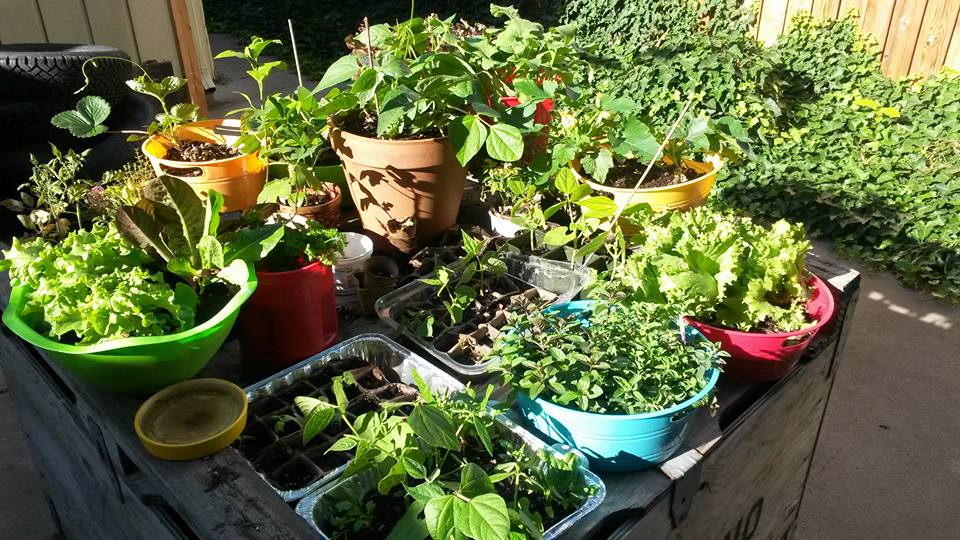
What you can grow will vary by year and your life at the moment. In past years, I have had large gardens, but this year (because of clean up needed on our new property to create good garden space and the arrival of a new baby in the spring) all I could muster was a container garden.
.
But it is always worth trying to do something. Every tomato or head of lettuce you grow is one less item that is mass-farmed, packaged, and shipped to your local grocery store.
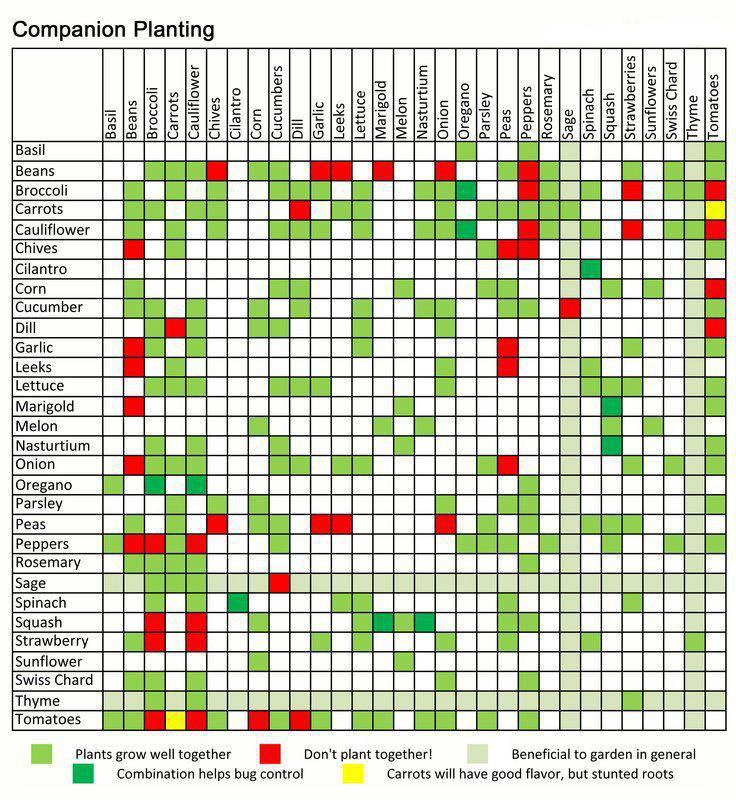
Plus, you can probably get away with using very few or no pesticides when growing produce in your backyard and using companion planting. Here’s a handy chart to assist:
I hope you don’t want to run me out of the blog-o-sphere now. I appreciate the USDA’s effort to encourage better farming practices, but I don’t think certified organic produce is the one size fits all silver bullet.
Sometime I’ll talk about meat production and the labeling… mass meat production is gross and interesting.